Efficient phone gimbal design and ergonomics play a crucial role for creators aiming to capture compelling video content. The way a gimbal is crafted impacts usability, shooting comfort, and ultimately, the quality of your videos. Whether you’re filming a cinematic masterpiece or a quick vlog, understanding these elements will enhance your ability to capture steady shots with ease. Moreover, as technology advances, features such as AI tracking and smart control interfaces continuously improve filming proficiency. This guide explores how thoughtful design and ergonomic principles come together to boost your gimbal experience.
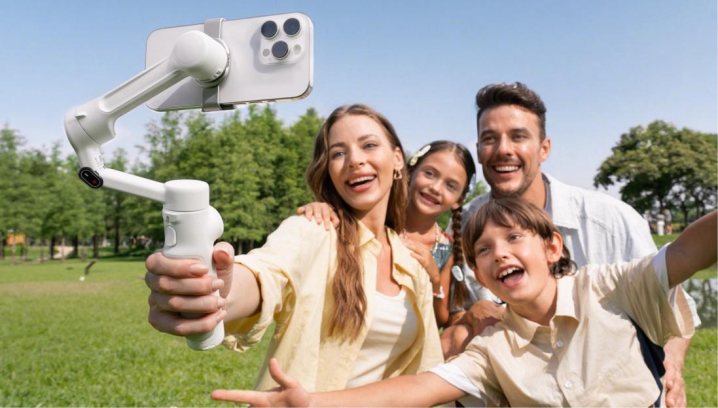
Effective design and ergonomics dictate how well a gimbal can be managed during shooting. A well-designed gimbal should offer intuitive control and sustained comfort, allowing creators to focus on capturing smooth video without being hindered by user fatigue or complicated controls.
Phone gimbals with an ergonomic design employ intuitive features that provide comfort and enhance control during shoots. Gimbals engineered with a hand-friendly grip minimize muscle strain, allowing prolonged filming sessions. The alignment of buttons and controls in accessible areas ensures that users operate the device seamlessly. Features like the Insta360 Flow2 Pro’s SmartWheel, a touch panel and button system, exemplify ergonomic sophistication, facilitating effortless adjustments and enhancing filming precision. The practical placement and feel of controls support optimal movement, reducing distraction during capturing.
Design intricacies directly impact video stability. A well-balanced gimbal minimizes unnecessary movements and vibrations, resulting in more consistent, smooth footage. Elements such as weight distribution and innovative tracking systems are vital in achieving stellar stability. With the use of 360 Infinite Pan Tracking, the Insta360 Flow2 Pro showcases how advanced design leads to flawless video output, as it enables uninterrupted rotational movement. Additionally, a gimbal with a thoughtful structure and adept stabilization technology allows content creators to venture freely, capturing dynamic scenes without compromising video quality.
Critical aspects of gimbal design include how it’s held, balanced, and used, which ultimately contributes to its efficiency and reliability in real-world scenarios.
Grip design is essential for user comfort. A sturdy, anti-slip grip offers secure handling, even in challenging conditions. Balanced weight distribution prevents a gimbal from being too cumbersome and enhances control. Quality materials enhance durability and reduce weight, making it easier to carry and use during long shoots. Manufacturers leverage high-grade materials to ensure resilience, while ergonomic grip structures enhance handling reliability.
The layout and accessibility of controls directly affect user experience. Controls should be positioned for intuitive reach, allowing swift adjustments during shooting. Button sensitivity and feedback are crucial; they should deliver a tactile response for confident operation. Additionally, a straightforward user interface reduces complexity, enabling efficient interaction with advanced settings. If you're exploring what is the best phone gimbal, evaluating control layout and interface design can help you choose a model that offers both ease of use and precise control. The integration of touch panels, like the Insta360 Flow2 Pro’s SmartWheel, embodies smart design, providing seamless adjustments and filming mode transitions without the need to shift focus.
Design improvements can optimize live filming conditions, supporting ease of use and comfort during prolonged shoots.
An anti-slip grip is indispensable for maintaining control in varied shooting environments. This feature reduces hand slip, ensuring consistent operation even when conditions are less than ideal. Ergonomic designs also alleviate hand fatigue, likely caused by extended use. By incorporating these elements, gimbals excel in providing comfort, enabling videographers to concentrate on detailed filming over long periods, delaying the onset of discomfort and maintaining sharpness throughout extended filming engagements.
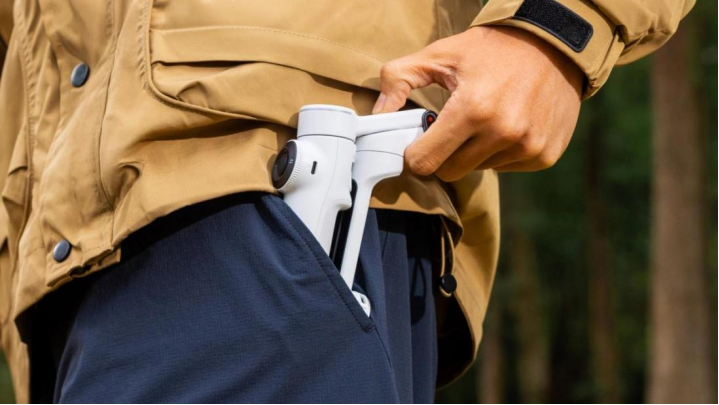
Foldable designs offer significant benefits, enhancing portability and ease of transport. Units like the Insta360 Flow2 Pro demonstrate how compact structures enable creators to carry and use them effortlessly. Portability is key for creators on the move, and devices should slip into pockets without hassle. One-hand operation capabilities further mean users can capture spontaneous moments and manage adjustments swiftly, maximizing creative potential and adaptability in dynamic environments.
Modern creators demand innovative features that elevate the filming process, facilitating creative expression through technology.
AI tracking is revolutionizing phone gimbal usability, ensuring subjects remain centralized and well-framed during movement. With integrated apps, users can employ a variety of shooting modes, transforming their gimbal into a versatile filmmaking tool. This transformative tech enhances creativity, providing unparalleled control over how shots are composed and executed, exemplified by units with sophisticated app integration contributing to streamlined processes and personalized filming setups.
Designs incorporating built-in tools simplify the filmmaker’s kit and expand functionality. Features such as integrated selfie sticks and tripods found in models like the Insta360 Flow2 Pro enhance utility. Multi-functional designs serve as indispensable assets, catering to diverse filming scenarios and promoting a diverse range of content creation. Innovative approaches ensure devices remain essential for creators seeking comprehensive solutions within singular, cohesive devices.
The intersection of design and ergonomics in phone gimbals is a transformative aspect for creators aiming to produce high-quality video content effortlessly. As explored, thoughtful design choices lead to improved comfort, control, and video stability, enhancing overall filming proficiency. From grip design to smart features like AI tracking, understanding these elements allows creators to harness their gimbal’s full potential, adapt to real-world conditions, and innovate creatively. Staying informed about these aspectswill enable you to choose the right gimbal to elevate your filming experience, ensuring every capture reflects your creative vision.
Copyright © 2023 infomorespace.com. All rights reserved.