
Mini excavators help crews move faster on jobs that demand digging, grading, and tight-space work. Contractors use them on residential builds, utility installation, landscaping, road repairs, and demolition because they combine power, precision, and mobility. To get real value from these machines, you need to focus on productivity, not just owning the right size excavator. Smart operators and fleet managers look at how features, attachments, and daily habits affect output per hour and cost per job. When you match the machine to the task, keep it in top shape, and plan work well, a mini excavator can dramatically cut labor time and reduce rework on every project.
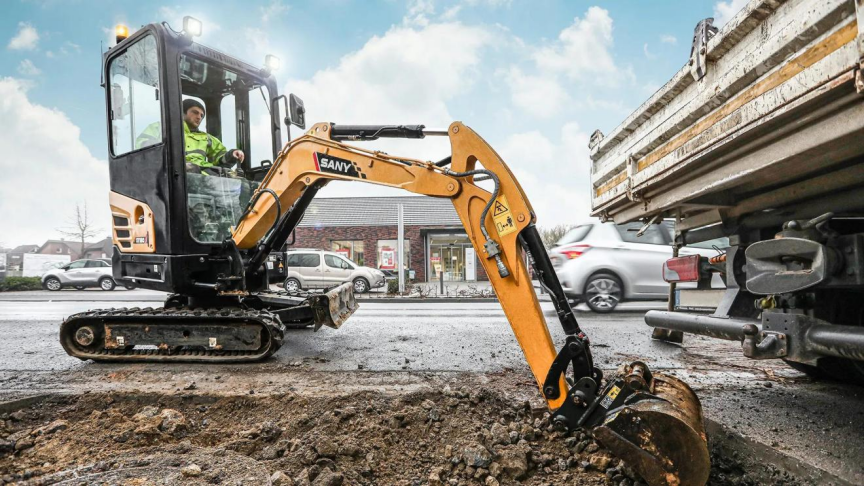
A compact design lets a mini excavator work where larger equipment simply cannot fit. Short tail swing or zero tail swing models reduce the risk of hitting walls, fences, or traffic when you rotate the upper structure. Narrow overall width allows the machine to pass through gates, between buildings, and along narrow driveways. This access advantage cuts manual digging and trimming with shovels and wheelbarrows. Rubber tracks protect finished surfaces and reduce damage on lawns or pavements, which means less repair work after the job. You also move faster between work areas on crowded sites, saving time on repositioning and setup while maintaining safety.
Strong, responsive hydraulics make every cycle faster, from digging and lifting to swinging and dumping. A high-flow hydraulic system delivers the power needed to run demanding attachments without bogging down the engine. Smooth, proportional joysticks let the operator control boom, arm, and bucket with precision, cutting the need for corrective passes. Many modern minis offer selectable work modes that balance fuel use and power for different tasks. Intuitive control layouts reduce operator fatigue and shorten the learning curve for new staff. With predictable response and good hydraulic balance, operators can dig to grade, load trucks, and place materials efficiently with fewer mistakes.
Choosing the right bucket has a direct impact on mini excavator productivity. Narrow trenching buckets dig utility lines and footings efficiently without moving excess material. Wider cleanup or ditching buckets handle grading, backfilling, and finishing, reducing the number of passes to reach a smooth surface. Tilting buckets give better control on slopes and complex contours, which cuts manual raking and leveling. Quick couplers allow operators to switch between bucket types in minutes, keeping the machine working instead of waiting. Matching bucket size to the machine’s capacity prevents slow cycles and overloads. With the proper bucket setup, one operator can move more material with better accuracy every hour.
Hydraulic breakers turn a mini excavator into a compact demolition tool, ideal for concrete pads, rocks, and small structures. This reduces the need for separate breaking crews and speeds site prep. Augers drill post holes, piers, and footings quickly and consistently, which is crucial for fencing, decks, and small foundations. Grapples handle debris, logs, and scrap, making cleanup and material handling faster and safer than manual labor. By using a quick coupler, the operator can swap attachments on-site without extra equipment. This versatility lets one machine handle multiple phases of a project, from removal and excavation to installation and cleanup, maximizing uptime and job-site efficiency.
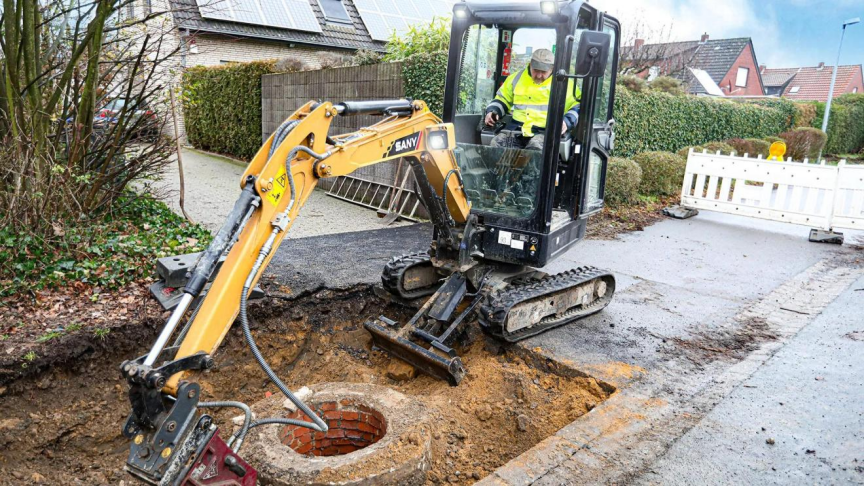
Skilled operators get more done with the same mini excavator by working smoothly and avoiding rework. Training should cover control finesse, safe machine positioning, and how to use each attachment correctly. Plan the job layout before digging starts: locate utilities, mark trench lines, define spoil piles, and choose safe swing zones. Sequence tasks so the machine moves in a logical path instead of jumping around the site. Keep trucks, materials, and disposal areas close to reduce travel time and idle running. Encourage operators to communicate with ground crews using clear signals and radios. When planning and skill come together, the machine spends more time working and less time waiting.
Consistent maintenance prevents costly breakdowns that stall projects. Operators should perform daily walk-around inspections, checking tracks, rollers, hoses, hydraulic lines, and the dozer blade for damage or leaks. Verify fluid levels for engine oil, coolant, and hydraulic oil before every shift. Clean the radiator and coolers to avoid overheating during long days. Follow the manufacturer’s schedule for filter changes, lubrication, and component checks. Address small issues, like loose bolts or minor leaks, before they grow into major failures. Keep a log of service history and hours, so you can plan downtime around your workload. A well-maintained mini excavator starts reliably, operates at full power, and stays productive all season.
Mini excavator productivity depends on more than engine size or brand name. You gain the biggest benefits when you combine compact design, strong hydraulics, and the right attachments with skilled operators and consistent maintenance. Careful job planning reduces idle time and risky movements, while quick attachment changes keep the machine working across multiple tasks. Daily inspections and scheduled service protect your investment and minimize unexpected downtime. By focusing on these practical steps, you can complete more work with fewer passes, shorten project timelines, and lower operating costs on every job that involves a mini excavator.
Copyright © 2023 infomorespace.com. All rights reserved.