Solar battery banks change the way households plan, store, and consume electricity. Instead of relying entirely on the grid, users gain the ability to decide when to draw power, when to store it, and how to prepare for outages or seasonal variation. This kind of flexibility transforms energy from a passive utility into something households manage intentionally. A system like the Anker SOLIX F3000 paired with a 400W portable solar panel shows how storage capacity, fast charging, and smart optimization help users design energy routines that fit their lifestyle. With scalable storage and fast solar input, a household can build clear power strategies that support both everyday use and emergency preparedness. Understanding how solar storage influences planning helps users make decisions that keep costs predictable and essential loads secure.

Solar battery banks encourage users to schedule certain activities based on when sunlight is strongest or when stored energy is most abundant. People who run energy-intensive appliances, such as laundry machines or air purifiers, may shift their routines to daylight hours to reduce strain on the battery and improve system efficiency. The F3000’s ability to fully recharge on solar input—up to 2,400W in optimal conditions—supports this behavior by giving users predictable daytime replenishment. This planning habit becomes second nature over time and helps households develop energy cycles that align with natural production instead of constant grid dependence.
Solar battery banks give households more control over when they use grid electricity. Instead of paying peak-hour rates, users store off-peak energy and deploy it during the most expensive part of the day. The F3000’s smart optimization and optional Power Saver Kit make this process more efficient because they help users balance solar intake with grid timing. This shift supports clear financial planning: people can estimate savings more reliably and control their monthly expenses with less guesswork. As more families adopt storage, energy planning becomes a structured routine rather than a reactive response to unpredictable bills.
Solar battery banks reshape how households prepare for storms, extreme heat, or grid instability. Instead of stocking fuel or depending solely on external infrastructure, users maintain a resilient reserve of stored sunlight. The F3000’s long standby capability and ability to power a refrigerator for nearly two days give families a foundation for practical emergency planning. Homeowners identify which devices to prioritize and how long those devices can run. This preparedness mindset becomes embedded in household routines, influencing appliance choices, backup strategies, and seasonal planning. A reliable solar battery bank becomes part of the household’s long-term resilience structure.
Solar battery systems often include monitoring tools that show energy consumption, solar generation, and battery status. When users see how much power each device consumes, they make more informed choices. They may unplug seldom-used appliances, switch to LED lighting, or adjust thermostat settings. The F3000’s smart energy modes help identify patterns by showing how stored and incoming power is distributed across loads. With this visibility, energy planning becomes a continuous process—not something users consider only during outages or bill cycles. Real-time insights make daily energy decisions more precise and more aligned with household goals.
Once households begin working with stored energy, they naturally gravitate toward appliances that operate efficiently and consistently. Devices with lower surge power and stable consumption patterns integrate better with solar storage systems. Over time, households may replace older equipment with models that pair well with their storage capacity. The F3000’s ability to power lighting, refrigeration, and essential electronics for extended periods supports this shift by giving users confidence in what their system can reliably handle. This planning behavior influences long-term purchasing and leads to overall improvements in home efficiency.
Solar storage reframes energy as something households strategize around, not something they consume passively. Families begin tracking weather forecasts, adjusting usage based on sunlight, and coordinating tasks with battery levels. The F3000’s rapid solar recharge and ultra-low idle consumption make these adjustments easier because the system acts predictably across different conditions. Households learn to incorporate solar input into their planning—much like planning meals, chores, or travel. This habit improves long-term stability and reduces dependence on the grid while reinforcing responsible energy behavior across all household members.
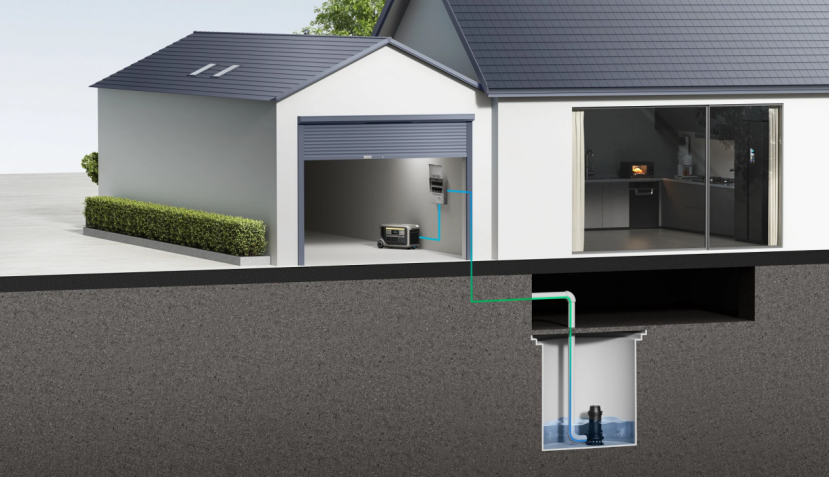
Solar battery banks reshape energy planning by giving households the ability to control when and how electricity is used. They encourage families to align routines with solar availability, avoid expensive peak-hour rates, and develop clear emergency strategies. Systems like the Anker SOLIX F3000 with its 400W portable solar panel make this transformation practical by offering fast solar input, low idle consumption, seamless pass-through charging, and flexible, scalable capacity. As users monitor consumption, prioritize essential loads, and schedule tasks around battery levels, energy planning becomes a thoughtful and predictable part of daily life. Solar storage ultimately shifts electricity management from passive response to active control, creating more resilient, intentional, and cost-efficient households.
Copyright © 2023 infomorespace.com. All rights reserved.