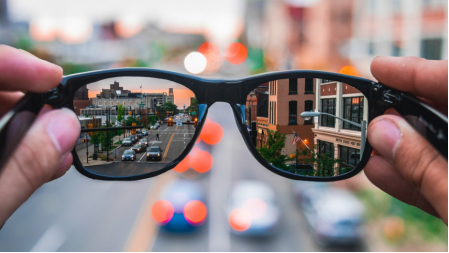
Lens aperture is a crucial aspect that greatly influences the performance of action cameras. It plays a key role in determining the amount of light captured by the camera sensor, directly affecting image quality and exposure. For instance, action cameras like the Insta360 Ace Pro 2, equipped with an F2.6 aperture, excel in capturing more light and producing high-quality images even in challenging conditions. But why exactly is aperture essential for action cameras? Here, we dive into the significance of lens aperture and provide insights into choosing the right aperture settings for different scenarios to achieve optimal photography results.
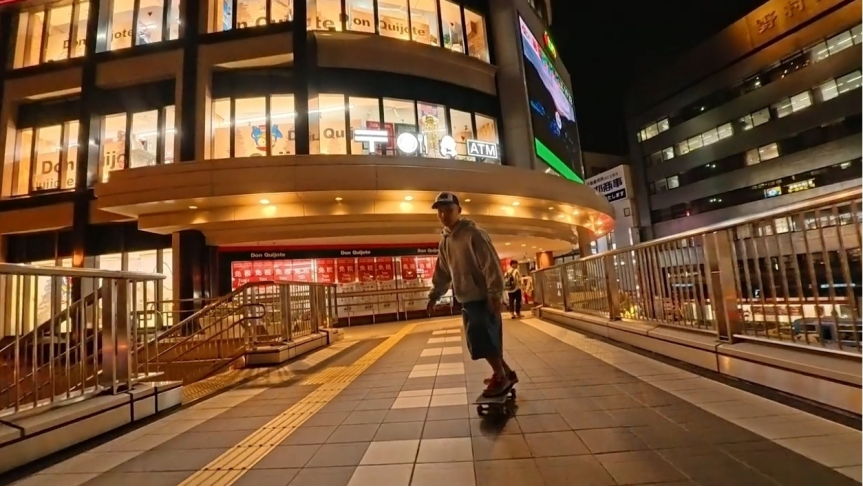
Lens aperture is an adjustable opening within a camera lens that controls the amount of light entering the camera sensor. It’s measured in f-stops, which indicate the size of the aperture; lower f-stop numbers correspond to larger openings, allowing more light in, while higher numbers mean smaller openings.
Aperture impacts exposure—the brightness and clarity of an image—by regulating light flow. Smaller f-stop numbers like f/2.6 imply a large aperture, permitting significant light entry and ensuring well-exposed shots in low-light conditions. Conversely, higher f-stop numbers, such as f/16, indicate a small aperture, limiting light entry and leading to darker images. Choosing the right aperture setting is essential for maintaining balance in exposure, especially in action photography, where lighting conditions can change quickly. Mastery over aperture helps photographers create images with exquisite depth of field and vibrant details, crucial for capturing moments effectively.
Aperture directly influences image brightness. Larger apertures permit more light to reach the sensor, enhancing brightness and detail in photos. This is particularly beneficial in scenarios with poor lighting where achieving good image quality is challenging. However, excessive aperture can lead to overexposure. Small apertures restrict light, which can lead to underexposed images in dimly lit environments. When evaluating What is the most recommended action camera, understanding how aperture impacts brightness and overall image quality can help you make a more informed choice. In action cameras, balancing aperture ensures sharp and high-quality images, whether you’re shooting under bright sunlight or in dark environments.
Aperture settings significantly affect an action camera’s ability to capture rapid movements and perform under various lighting conditions, making it indispensable for professional and enthusiast photographers alike.
In low-light situations, a larger aperture like f2.6 is essential as it enables the camera to capture more light, reducing noise and preserving image clarity. Noise can obscure details, but an appropriate aperture ensures the sensor receives adequate light, minimizing the digital noise often seen in dim settings. Cameras with well-engineered apertures efficiently manage noise and produce clear results, crucial for night photography or indoor shootouts.
Sports and action scenes require quick shutter speeds to freeze motion seamlessly. A large aperture helps achieve this by allowing sufficient light for proper exposure at faster shutter speeds. This technique ensures sharp images of fast-moving subjects, preventing blurriness and capturing dynamic moments with precision. Aperture control is key in action photography where every fraction of movement counts, making it a priority for photographers aiming to capture rapid action.

Achieving the perfect shot involves balancing aperture, shutter speed, and ISO. While aperture regulates light entry, ISO adjusts sensor sensitivity, and shutter speed controls motion capture. Understanding and harmonizing these elements is vital for creating well-lit images with minimal noise, showcasing the subject in the best possible light. Mastering this balance allows photographers to adapt various settings dynamically for optimal action camera performance, ensuring stellar footage across diverse conditions.
Selecting the proper aperture for different shooting conditions can dramatically improve action camera results. Tailoring aperture to the environment ensures better exposure and clarity, whether shooting in bright daylight or dim interiors.
Daylight shooting benefits from smaller apertures, such as f/11 or f/16, which lessen overexposure in bright conditions. These settings help capture every detail crisply without oversaturating the image with excess light. Large landscapes or sports events in daylight require meticulous attention to aperture control to preserve image fidelity while capturing expansive scenes. Balancing the aperture with a suitable ISO setting ensures the vibrancy and sharpness of images, crucial in capturing action where detail is paramount.
In dimly lit environments like nightscapes or indoor venues, larger apertures such as f/1.8 to f/2.8 are recommended to increase light capture, enabling clearer and brighter images. This adjustment minimizes noise and enhances detail visibility, vital for evening or indoor action shots. These settings provide enough light to prevent loss of detail through shadows or noise, ensuring each frame carries the intended visual narrative without distortion. Action cameras with advanced apertures stand out in such conditions, ensuring performance exceeds expectations even under low-light challenges.
Understanding the lens aperture’s role in action cameras profoundly impacts image quality and capture precision. Tailoring aperture settings to accommodate different situations will significantly enhance photography results, whether dealing with intense sunlight or dimly lit interiors. High-quality action cameras like the Insta360 Ace Pro 2 demonstrate how well-engineered apertures can uplift image quality by effectively managing light and exposure. As you refine your aperture skills, remember that achieving perfect balance with ISO and shutter speed is crucial to unlocking an action camera’s full potential, empowering photographers to create stunning visuals across diverse settings.
Copyright © 2023 infomorespace.com. All rights reserved.