Dump trucks work under harsh conditions, move heavy loads, and face constant vibration, dust, and temperature swings. Without a clear maintenance plan, even a new truck can start losing power, suffer hydraulic leaks, or face unexpected breakdowns that stall jobs and hurt profits. Fleet owners and operators who follow a structured maintenance routine keep trucks productive, safe, and compliant with regulations. This guide explains practical dump truck maintenance strategies that fit real jobsite demands. You will see which systems deserve the most attention, how to catch problems early, and what operating habits help reduce wear. With consistent care, you can cut downtime, stretch service intervals, and get more years of reliable work from every dump truck in your fleet.
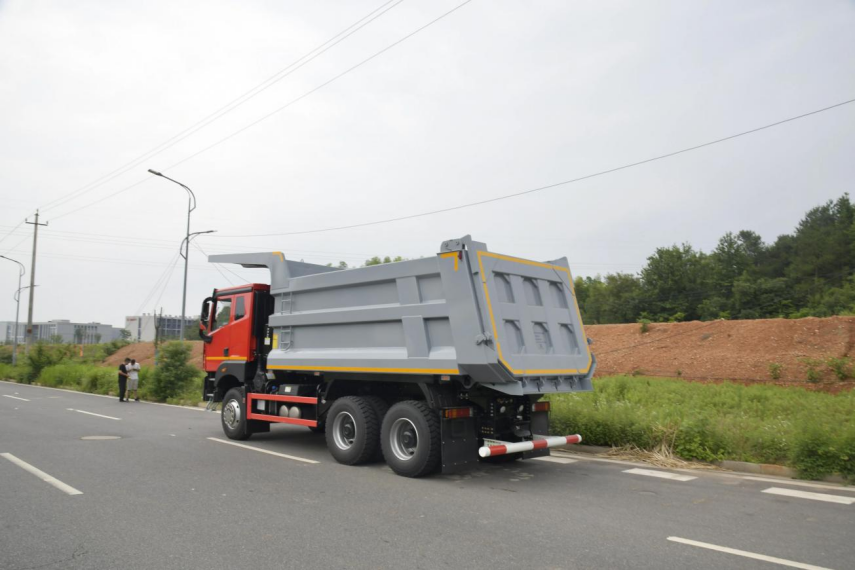
Regular inspections let you spot small issues before they grow into expensive failures. A quick walk‑around at the start and end of each shift helps operators catch leaks, loose hoses, damaged tires, or cracked suspension parts. Scheduled checks under the hood reveal low fluid levels, worn belts, or clogged filters that rob power and fuel efficiency. Visual inspections of the dump body, hinges, and tailgate ensure safe loading and unloading. When you document these checks, patterns become clear, and you can plan repairs instead of reacting to breakdowns. Over time, consistent inspections improve reliability, keep trucks in compliance, and support higher resale value when it’s time to refresh the fleet.
Preventive maintenance reduces downtime by fixing problems on your schedule, not on the side of the road or in the middle of a job. When you replace wear parts based on hours, mileage, and inspection findings, you avoid catastrophic failures that sideline a truck for days. Simple tasks, like changing fluids on time, greasing pivot points, and rotating tires, cost far less than engine rebuilds, blown hydraulic lines, or brake system overhauls. Planned shop visits also let you coordinate spare trucks and drivers so projects stay on track. By investing in routine care, you cut emergency callouts, lower towing bills, and keep repair budgets predictable and easier to manage.
The engine is the heart of every dump truck, and it needs clean fuel, proper lubrication, and effective cooling to perform. Follow the manufacturer’s schedules for oil and filter changes based on engine hours and duty cycle, not just mileage. Use quality diesel and keep fuel filters and water separators clean to protect injectors and high‑pressure pumps. Check all fluid levels daily, including engine oil, coolant, transmission, and power steering. The cooling system deserves special attention on heavy haul routes and in hot climates. Inspect hoses, clamps, and the radiator for leaks, corrosion, and debris buildup. Clean the radiator and charge‑air cooler fins to maintain airflow and prevent overheating. Monitor coolant condition and concentration, then flush and refill at recommended intervals. A healthy engine and cooling system deliver better fuel economy, faster cycle times, and fewer unexpected shutdowns on the job.
The hydraulic system lifts heavy loads, so leaks or contamination can shut down a truck fast. Inspect hydraulic hoses, fittings, cylinders, and seals for damage or seepage, and fix issues immediately. Keep hydraulic fluid clean and at the correct level, and change filters on schedule. For brakes, check pads, shoes, drums, and rotors for wear, and confirm that air lines, hoses, and valves hold pressure and stay dry. Any air leaks or warning lights demand quick attention. Tires affect safety, traction, and fuel use; check pressure and tread depth daily, and look for cuts, bulges, and uneven wear that signal alignment or suspension problems. Grease suspension components, inspect springs, bushings, and shock absorbers, and repair worn parts before they fail. A well‑maintained hydraulic, brake, tire, and suspension system keeps dump trucks stable, safe, and ready for demanding sites.
How crews load a dump truck has a big impact on wear, fuel use, and safety. Keep loads within the truck’s rated capacity and legal limits for your routes; overloading strains the frame, suspension, brakes, and tires. Train loader operators to place material evenly across the bed, with slightly more weight toward the front, so the axle loads balance and the truck tracks straight. Avoid dropping large rocks or debris from excessive height, which can damage the bed, hoist, and suspension. Make sure the load stays below sideboards and remains stable when the bed raises for dumping. Use tarps where required to prevent spillage and wind loss. Good loading practices reduce stress on critical systems and help the truck deliver consistent performance shift after shift.
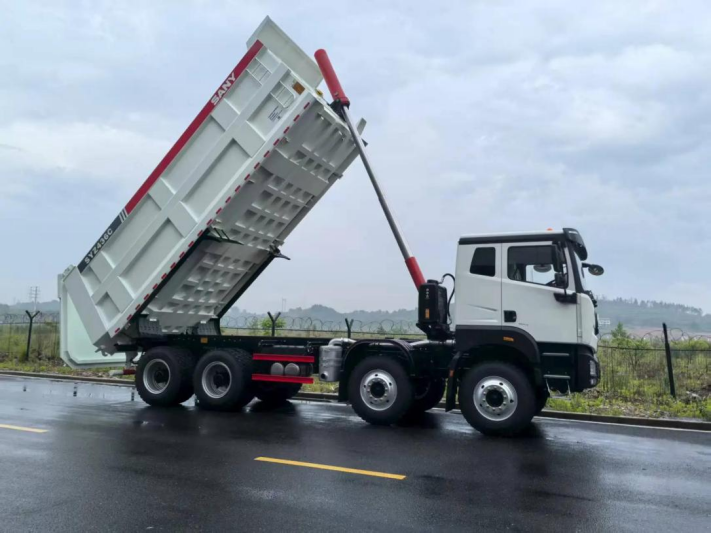
Operator behavior directly affects dump truck life. Smooth acceleration and gradual braking reduce stress on the engine, drivetrain, and brake components. Encourage drivers to maintain safe speeds, especially on rough haul roads, to minimize frame twist, suspension wear, and tire damage. Avoid hard cornering with a raised bed and never move the truck with the body elevated on uneven ground, which increases rollover risk and strains hydraulic parts. Use retarder systems and engine braking on long descents to protect service brakes from overheating. Limit idling time to cut fuel waste and reduce soot buildup in aftertreatment systems. When operators follow clear procedures and respect the truck’s limits, the entire fleet experiences fewer failures, safer operation, and longer service life.
Dump truck maintenance involves more than occasional repairs; it requires a structured, preventive approach that fits your fleet’s workload and conditions. Regular inspections, timely fluid and filter service, and focused care for hydraulic, brake, tire, and suspension systems keep trucks reliable and safe. At the same time, smart loading and careful driving reduce stress on every component and support lower operating costs. When management, mechanics, and operators follow the same maintenance plan, trucks spend more hours hauling and fewer hours in the shop. Over the long term, consistent maintenance extends equipment life, improves fuel efficiency, and protects resale value. By putting these strategies into daily practice, you build a stronger, more profitable dump truck operation.
Copyright © 2023 infomorespace.com. All rights reserved.