
Fuel makes up a large share of wheel loader operating costs, so every litre saved goes straight to the bottom line. Contractors feel pressure from tight margins, strict deadlines, and rising diesel prices, which makes fuel-efficient loading more important than ever. A well-managed wheel loader can move more material per hour while burning less fuel, but that only happens when you focus on three areas: operator habits, machine selection, and maintenance. Smart fleet owners track fuel consumption, review cycle times, and train operators to work with the machine, not against it. Modern wheel loaders, especially models with efficient drivetrains and advanced hydraulics, give operators more control over performance and consumption. With a practical strategy, you can cut fuel costs without sacrificing productivity.
Long idle time burns fuel without adding any revenue to the job. Many sites let loaders idle during breaks, delays, or while waiting for trucks to arrive. Set a clear idle policy: shut the machine down if it will sit for more than a few minutes, unless conditions are extreme. Use built‑in auto‑idle and auto‑shutdown features when available, and make sure operators understand how they work. Good operators plan work so they travel less, avoid constant direction changes, and use the right gear ranges. Teach them to run the engine in the most efficient rpm band instead of flooring the accelerator. Smooth, steady control movements reduce engine load and hydraulic losses. When you coach operators and track idle time by machine and by shift, fuel use usually drops quickly.
Short, efficient loading cycles save fuel because the loader spends more time in productive work and less time driving or repositioning. Position the stockpile, loader, and trucks to reduce travel distance and avoid sharp turns or steep ramps. Match bucket size to truck capacity so you need fewer passes per load. Use techniques like V‑loading or straight‑through loading where the loader moves in a short, repeatable pattern. Avoid over‑sizing a machine for light work; a smaller loader running in its optimal range often burns less fuel per tonne. On the other hand, do not push a small loader beyond its limits, as this leads to high rpm and wasted fuel. Monitor tonnage moved per litre or per gallon, and adjust work methods to raise material moved for each unit of fuel.
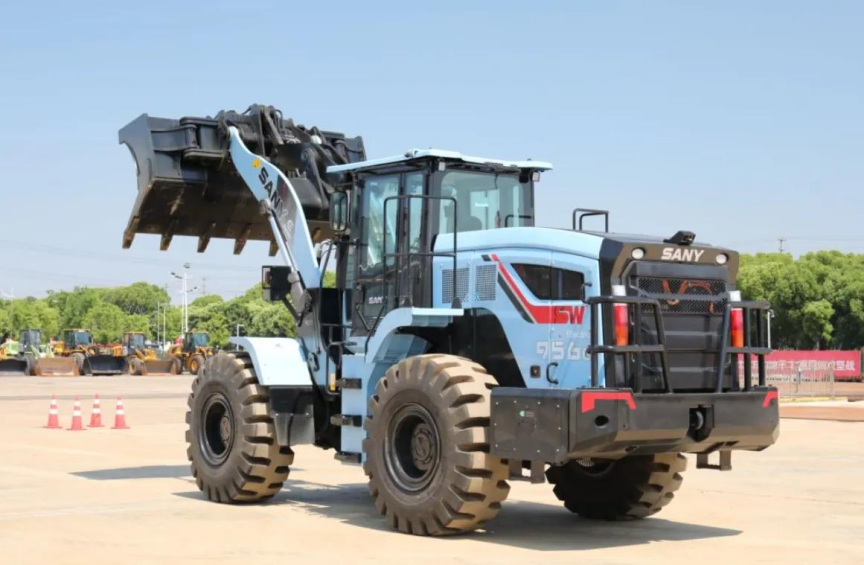
SANY wheel loader uses powertrains designed to deliver strong breakout force while keeping fuel use under control. High‑efficiency engines supply steady torque at lower rpm, which lets operators work in the sweet spot for fuel economy instead of revving hard. Matching the engine with an advanced transmission helps the loader shift smoothly and stay in the right gear for the load and terrain. This combination reduces wheel slip and unnecessary engine strain. SANY machines also use load‑sensing hydraulic systems that adjust oil flow based on demand, rather than pumping at full output all the time. Less hydraulic loss means the engine does not need to work as hard to lift or tilt the bucket. The result is more material moved per hour with reduced fuel consumption.
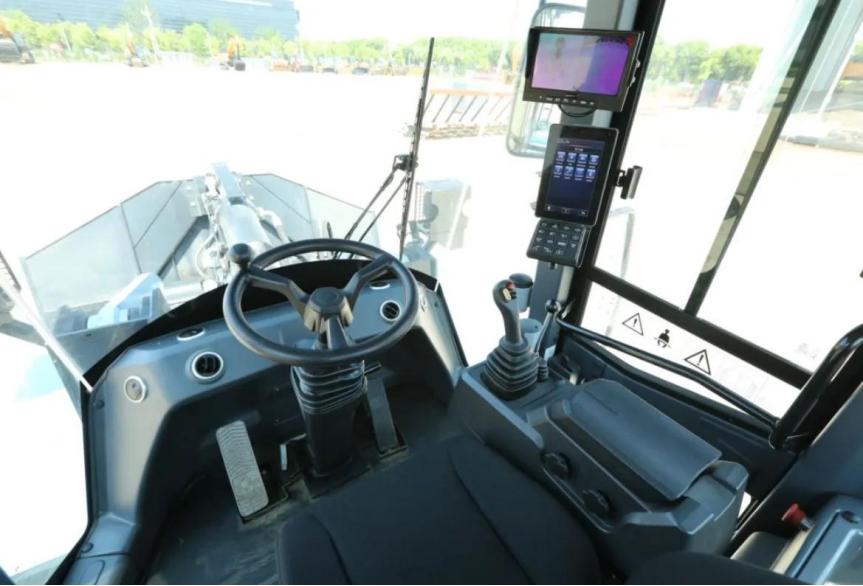
High productivity often goes hand in hand with low fuel use, and SANY designs its wheel loaders with that balance in mind. Intuitive control layouts and responsive joysticks help operators make precise movements, which avoids wasted engine power. Multiple work modes let the operator choose between maximum power and fuel‑saving settings based on the job. Advanced monitoring systems show real‑time fuel consumption, idle time, and load data, giving supervisors a clear picture of performance. Some SANY models include automatic bucket levelling and return‑to‑dig functions that speed up cycles and reduce operator fatigue. Faster, more consistent cycles move more tonnes per hour, so you need fewer engine hours to complete the same work. Over a season, those efficiency gains translate into noticeable fuel savings and lower operating costs.
A clean, well‑tuned engine always burns fuel more efficiently. Follow the manufacturer’s schedule for engine oil changes and filter replacements, and use the recommended lubricants. Dirty air filters restrict airflow and force the engine to work harder, so inspect and replace them on time, especially on dusty sites. Keep the cooling system clean to prevent overheating, which can increase fuel consumption and shorten engine life. Pay attention to the fuel system as well: drain water separators, replace fuel filters at the correct interval, and use clean fuel from reliable sources. Regularly check for leaks around injectors and fuel lines. These simple steps help maintain proper combustion and reduce wasted fuel.
Rolling resistance and mechanical losses directly affect fuel burn. Check tire pressure daily and keep it within the recommended range; under‑inflated tires add drag, while over‑inflated tires reduce traction and comfort. Inspect tire wear patterns and correct misalignment or overloading. Keep hydraulic oil clean and at the proper level, and replace it according to the service schedule. Contaminated oil or clogged filters make the hydraulic system work harder. Grease pivot points and linkages regularly to reduce friction. Monitor the transmission and axles for proper lubrication and unusual noises or vibration. A smooth‑running drivetrain transfers power more efficiently from engine to wheels, which cuts fuel consumption and extends component life.
Wheel loader fuel efficiency depends on more than engine technology alone. The way you manage idle time, set up loading patterns, and train operators has a direct impact on diesel use and cost per tonne. Optimized cycles reduce travel and turning, while good habits keep the engine in its ideal working range. Modern machines such as SANY wheel loaders support these goals with efficient powertrains, smart hydraulic systems, and productivity features that shorten cycle times. Consistent maintenance of the engine, fuel system, tires, hydraulics, and drivetrain keeps the loader operating at peak efficiency. When you combine the right machine with disciplined site practices, you see lower fuel bills, fewer refuelling stops, and higher profitability on every project. Focus on measurable improvements, and track your progress to lock in long‑term savings.
Copyright © 2023 infomorespace.com. All rights reserved.